

Drainage
Effective synthetic turf drainage depends on how the entire field system works together.
Drainage From the Surface Down
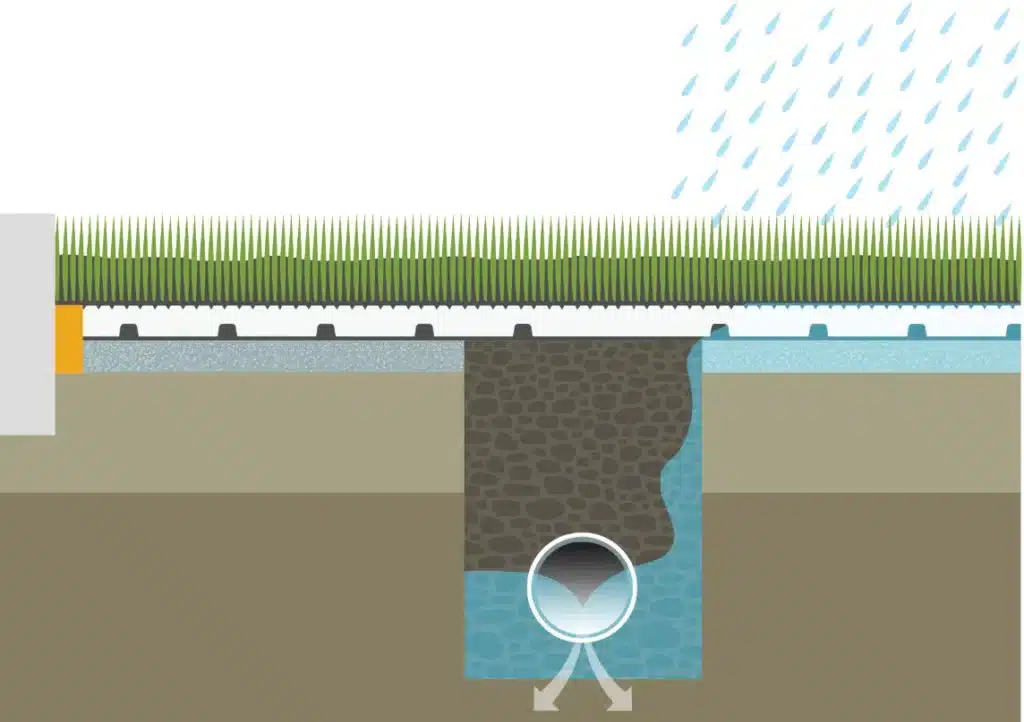
A synthetic turf field must manage water through the surface, beneath the turf, and all the way to the perimeter.
Rainwater needs a clear path through the playing surface and away from the field. That path depends on the turf, infill, shock pad, structural base, field slope, and drainage infrastructure working together.
Brock offers permeable shock pads and PowerBase systems with engineered drainage features to help project teams address water movement beneath synthetic turf. The right solution depends on the site, the selected turf system, and the project’s drainage design.
Why Synthetic Turf Drainage Is a System
A field does not drain through one component alone. Its drainage performance depends on how the turf, infill, underlayment, base, field slope and perimeter collection system work together.
During a major storm, some water moves vertically through the turf and infill. As a field ages and fine contaminants accumulate within the system, more water may also travel laterally through or across the infill toward the perimeter.
A complete design considers three connected functions:
Perimeter collection: Drains, storage systems, and outlets receive and manage water according to the project’s engineered stormwater plan.
Vertical drainage: Water moving downward through the turf and underlying system.
Lateral drainage: Water moving horizontally beneath or across the field toward the perimeter.
Beneath the Surface, Drainage Matters
The Challenge With Traditional Stone Bases
One foundation. Two demanding jobs.
A traditional stone base may be expected to provide both structural stability and drainage. Its aggregate composition, compaction, depth, and construction quality influence how well it performs those functions.
Over time, fine particles and other changes within the base can affect water movement. On replacement projects, the existing base should be evaluated rather than assumed to retain its original drainage performance.
An engineered drainage layer beneath the turf gives designers another way to manage water while addressing the structural needs of the field.
Separate Stability From Drainage
With an appropriately designed Brock PowerBase system, the structural base can be engineered primarily for stability while drainage channels beneath the turf help direct water laterally toward the perimeter collection system.
This approach allows project teams to address foundation stability and water movement as distinct design requirements.

A Stable Foundation
Let the structural base do what it does best: provide a firm, level foundation for the field.

A Dedicated Drainage Layer
Brock PowerBase creates a defined pathway beneath the turf for water to move through the pad.

A Clear Path to Collection
Connect lateral drainage pathways to infrastructure designed to receive and manage the flow.
Drainage Features Across Brock Products
PowerBase YSRXD: Additional Capacity for Demanding Drainage Conditions
PowerBase YSRXD builds on YSR’s drainage design with more and larger drain holes and increased lateral-flow capacity. It provides an option for projects facing intense rainfall or challenging drainage conditions, including certain turf-replacement projects with aging bases.
Compared with PowerBase YSR, YSRXD incorporates:
- 20% more drain holes
- 36% larger drain holes
- Approximately twice the lateral flow rate under the reported comparative test conditions
YSRXD also provides bi-directional lateral drainage. Water flows most efficiently along its primary channels, while interconnected pathways allow movement perpendicular to those channels.
Both YSR and YSRXD must connect to collection infrastructure designed for the project’s anticipated water flow. Product selection should account for rainfall, field slope, drainage distances, base conditions, and collector and outlet capacity.

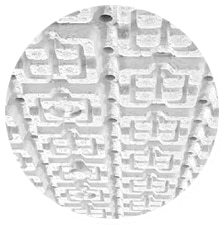
PowerBase YSR: Perforations Above. Continuous Channels Below.
PowerBase YSR combines drain holes through the panels with large lateral channels underneath.
Water passes through the perforations into the channels, which transport it toward the collector system along the field’s edge. Channels align where panels meet, maintaining continuous drainage pathways between properly installed panels.
This design gives water a defined route beneath the turf and toward perimeter collection.

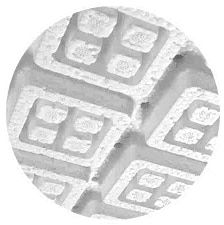
PowerBase PRO: Perforations for Vertical Water Movement
PowerBase YSR combines drain holes through the panels with large lateral channels underneath.
Water passes through the perforations into the channels, which transport it toward the collector system along the field’s edge. Channels align where panels meet, maintaining continuous drainage pathways between properly installed panels.
This design gives water a defined route beneath the turf and toward perimeter collection.

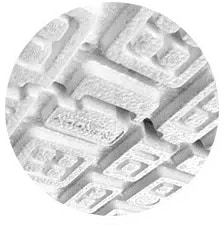
panels for water flow.
Brock ShockPad Series: Permeable Throughout the Pad
Brock SP Series shock pads allow water to move through the natural void spaces between their expanded polypropylene beads.
A micro-binder joins the beads while preserving the open spaces that make the material permeable. Third-party laboratory testing has measured vertical drainage rates exceeding 700 inches per hour.
SP’s permeability allows water to pass through the pad to the drainage layers beneath it. The complete field design must provide an appropriate pathway for that water to be collected and discharged.

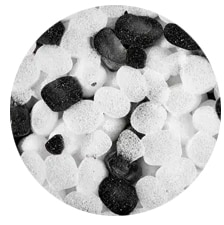
pass vertically through the material.
Plan for the Water’s Entire Journey
Moving water through the pad is one part of managing it.
A permeable shock pad or engineered drainage channel must connect to a system capable of receiving the water.
Depending on the project, that system may include a permeable aggregate base, subsurface drains, perimeter collectors, stormwater storage, infiltration, or a controlled outlet.
The design should account for:
- Local rainfall intensity and the required design storm
- Field dimensions, slope, and drainage distances
- Turf and infill permeability
- Shock-pad drainage characteristics
- Base conditions
- Collector and outlet capacity
- Storage requirements and local stormwater regulations
Replacing Turf? Evaluate What Is Beneath It.
A turf replacement is an opportunity to assess the entire field system.
Before selecting a new surface, evaluate the existing base’s stability, levelness, and drainage performance, along with the condition of the collection system and outlets.
Where appropriate, a PowerBase system with engineered lateral drainage can provide a defined water pathway above an existing structural base. Suitability depends on the project’s site conditions and engineering assessment.